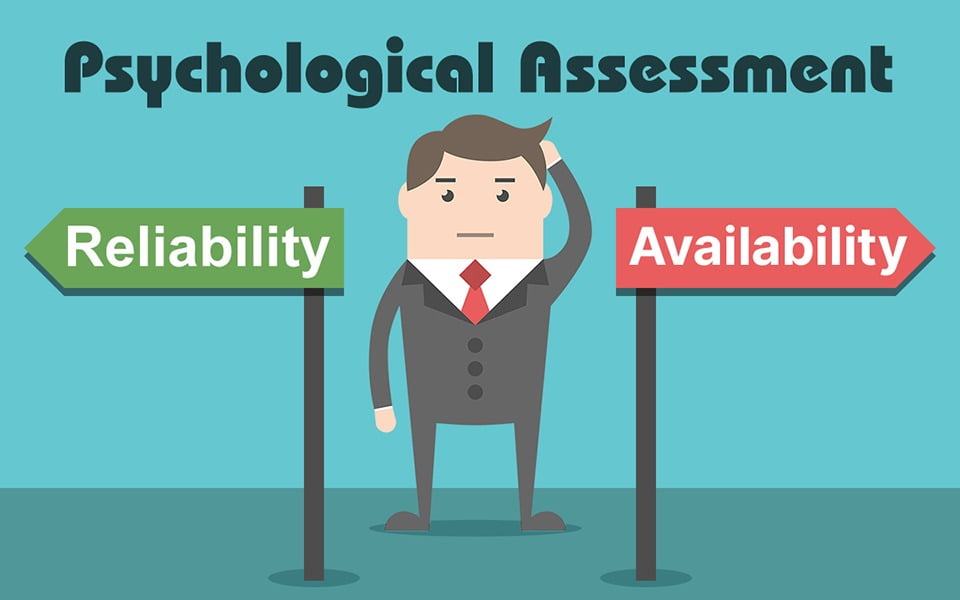
What is the difference between availability and reliability? Ensuring uninterrupted access is a key consideration when investing in IT services. However, achieving this level of performance in enterprise IT can be challenging. Businesses must define the service levels required to support seamless operations and minimize the impact of IT disruptions on business continuity. Two metrics in this evaluation are reliability vs availability. While […] Written by Ganesh N Kumar December 26, 2022November 3, 2026
What is Site Reliability Engineering (SRE) with Observability? As IT systems grow more complex, ensuring stability and scalability has become more critical than ever. That’s where Site Reliability Engineering (SRE) comes in a discipline pioneered by Google to bridge the gap between development and operations. At Infraon, we blend SRE best practices with deep observability to help businesses achieve maximum uptime, performance, and […] Written by Satish Kumar V September 1, 2025September 5, 2025
What is the Role of AIOps in Modern Network Management? In IT, the introduction of Artificial Intelligence for IT Operations (AIOps) has been nothing short of revolutionary. As networks become increasingly complex and data-driven, traditional network management methods are proving inadequate. AIOps has emerged as a critical tool in the arsenal of network managers, offering innovative solutions to manage and optimize networks in real-time. In […] Written by Satish Kumar V November 21, 2023November 3, 2026
Editor's choice Featured Infraon Story How I went from a UX designer to starting two companies that solve the biggest ITOps challenges In 2005, I started my career as a UX designer. A few years in, I was fiercely passionate about the little things that made a piece of software friendly and usable. Before working on the designs, I wanted to understand how the product works and what it could potentially do for the customer. I felt […] Written by Arun Prasath R July 11, 2022June 24, 2026
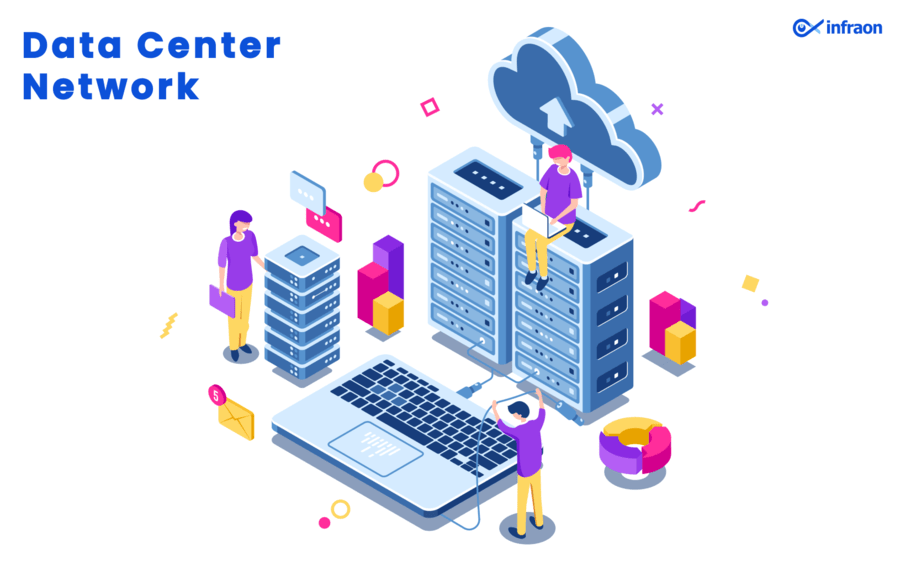
Network Management Data Center Network: Definition, Importance, and Core Components Although data centers play a crucial role in modern networking, their status has evolved throughout time. While many businesses still rely on on-premises data center networking, the emergence of cloud environments and services has made it necessary for businesses to update their data centers. To ensure high data center network performance and service delivery in […] Written by Ganesh N Kumar February 20, 2023September 12, 2025
ITSM ITOM vs. ITSM: Key Differences, Use Cases and When You Need Both ITOM vs. ITSM is a decision about two connected responsibilities: keeping technology running and delivering dependable IT services to the people using it. An operations team may detect rising database latency before anyone complains, while a service desk manages the resulting disruption and keeps affected users informed. CIOs, IT managers, NOC leaders, and managed service […] Written by Deepak Kumar S February 20, 2023October 23, 2026
Self Service Portal The Future of IT Self-Service Conversational Bots In the modern digital world, technology is advancing at a rapid rate. Businesses and organizations are constantly looking for ways to improve their customer service, reduce costs, and increase efficiency. One of the most exciting new developments in the IT industry is the use of conversational bots, also known as chatbots. These bots are capable […] Written by Ganesh N Kumar February 20, 2023July 9, 2025
ITOps Cost Management Strategies for effective IT Cost Optimization In the race to drive rapid digital transformation, many companies fall into the trick of increasing their IT spending while underutilizing their existing investments. Although implementing the right technology can reduce costs, what happens when it’s time to evaluate how much your company is spending on information technology? If you feel that your IT budget […] Written by Soumya Nandhakumar February 20, 2023November 3, 2026
ITOps Customer Service SaaS Why SaaS equilibrium is crucial to surviving the recession At this point, there’s no dilly-dallying about what’s coming. If you’ve noticed, LinkedIn feeds seem full of confusion and distress. Experts say they predicted it. Companies are close to pushing the panic button. So, let’s talk about the current recession. More importantly, let’s discuss how your company’s relationship with SaaS tools could be a make-or-break […] Written by Arun Prasath R February 9, 2023January 3, 2025
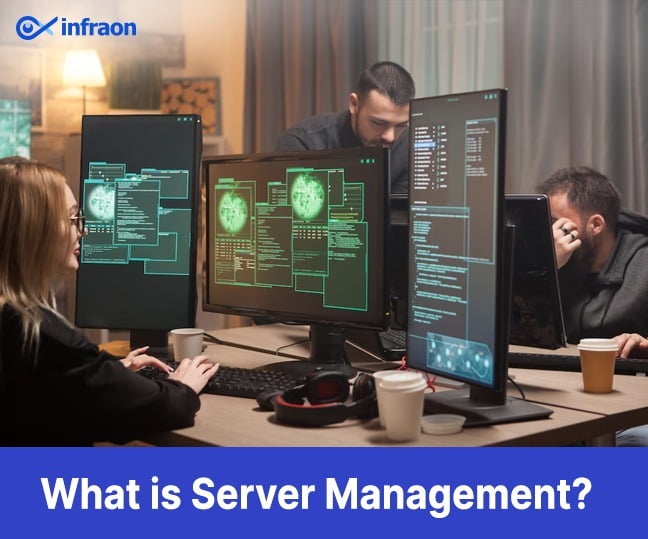
Server Management What is Server Management? Everything Need to Know What is Server Management? Server management includes all the monitoring and maintenance necessary to keep your server running reliably and optimally. Server management also includes managing hardware, software, security, and backups. The main goals of server management are: Server Management Basics Servers are equipped with cooling systems and thermometers, making it easy to manage them […] Written by Soumya Nandhakumar February 7, 2023November 3, 2026
Remote Access Secure Remote Access Software: Everything You Need to Know What is Remote Access Software? Remote desktop software, also known as remote access applications or remote access software, allows you to remotely access and work on any computer from a remote location. Remote access applications are very useful in many situations, such as executing codes, troubleshooting computer problems, and managing your office network remotely from […] Written by Soumya Nandhakumar February 3, 2023July 2, 2026
API Monitoring What is API Monitoring? A Complete Guide What is API Monitoring? API monitoring is a holistic approach to monitoring the availability, responsiveness, and performance of application programming interfaces (APIs). It helps identify application failures, dependent services or website failures, and outages or poor performance of API calls. How does API monitoring work? API monitoring uses a remote computer to send requests to […] Written by Soumya Nandhakumar February 3, 2023July 4, 2025
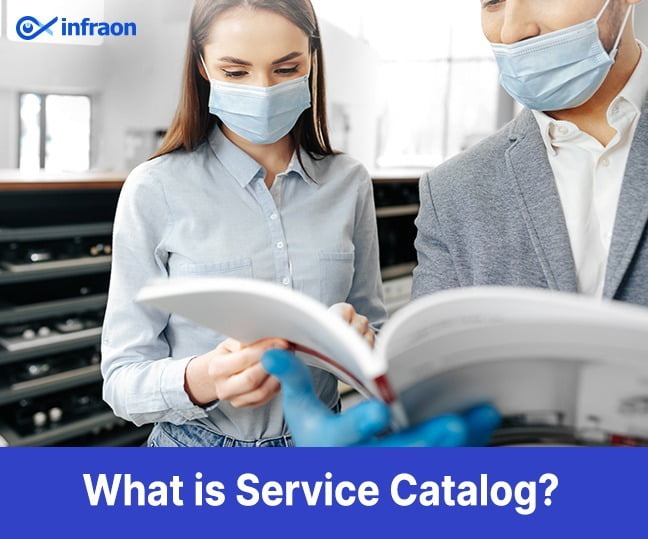
Customer Service Service Desk What is Service Catalog? Everything you need to know. What is a service catalog? A service catalog is a detailed description of the IT services that a company provides to its customers. It shows how services, assets, and business results are linked. It also displays the need for a service and how the service provider will meet that need. It contains. Benefits of Service […] Written by Soumya Nandhakumar February 1, 2023July 4, 2025
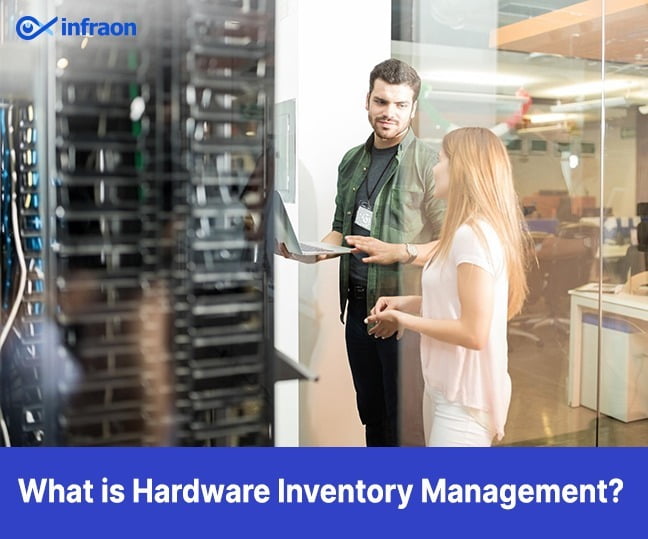
Hardware Inventory Management Asset Management Hardware Inventory Management – A Complete Guide What is hardware inventory management? Hardware inventory management is tracking and managing the physical assets and equipment used in an organization. It involves identifying, counting, and maintaining records of all hardware items, such as computers, servers, tools, and other equipment. This includes monitoring the location, quantity, and status of each item, as well as keeping […] Written by Soumya Nandhakumar January 30, 2023November 3, 2026
Problem Management What is Problem Management? All you Need to Know What is problem management? Problem management is a systematic process of identifying and resolving incidents in IT services. As a core component of ITSM frameworks, problem management acts as the foundation for an effective incident resolution strategy by providing a structure to define, identify and analyze patterns in incidents in order to discover their root […] Written by Mohitakshi Agrawal January 26, 2023July 7, 2025
ITOps 5 technology trends that ITOps managers and leaders should watch out for in 2025 It’s that time of the year again, folks. Everyone’s gazing at the crystal ball, hoping for a fairly accurate preview of things to look out for in 2025. The ITOps managers could definitely use one, as it seems to be trapped in a self-fulfilling prophecy of innovation. There’s so much happening that it’s gradually becoming […] Written by Arun Prasath R January 26, 2023July 7, 2025