


Infrastructure Asset Management Software
The process of keeping track of and managing a business's tangible assets to ensure efficient operations, financial accuracy, and mitigate risks
- 14-day free trial
- No Credit card Required
- Full Platform Access
What is Infrastructure Asset Management?
Infrastructure asset management is the process of handling physical assets such as roads, bridges, water supply systems, and buildings to ensure their optimum performance, reliability, and cost-effectiveness throughout their life cycle.
Infrastructure asset management usually entails using software and analysis tools to gather and evaluate data on the performance and upkeep history of assets, as well as predict their future requirements and expenses. Infrastructure asset management aims to optimize the worth and lifetime of assets while reducing their total lifecycle costs.


What are Infrastructure Assets?
Infrastructure assets are the systems, networks, and resources that ensure important public services, such as the following:
Bridges, tunnels, roadways, railroads, aqueducts, sewers, electricity grids, disposal facilities, drainage systems, communication networks, and other physical components are examples of infrastructure assets.
- Transport
- Telecommunications
- Energy production and delivery
- Environmental and territorial security
- Waste disposal
- Health and safety protection
- Risk and emergency management
What is Infrastructure Asset Management Software?
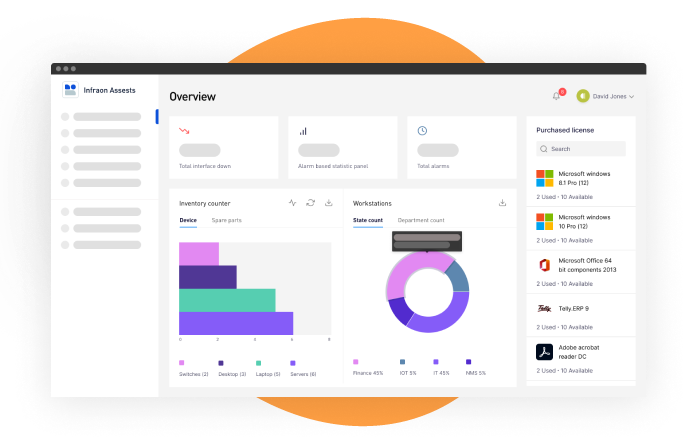
Infrastructure asset management software is a computer application that helps organizations better manage their physical assets. This software usually contains features for asset inventory tracking, asset health and performance monitoring, maintenance and repair scheduling, and asset failure forecast.

Benefits of Infrastructure Asset Management
Improved Asset Performance
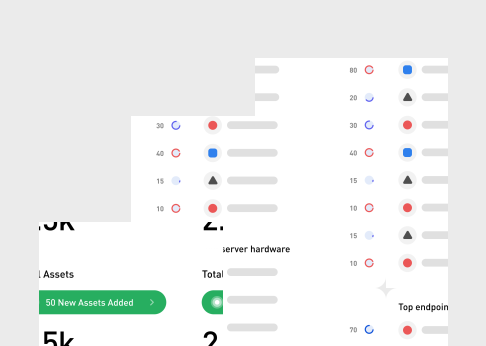
Infrastructure asset management helps organizations identify and address potential issues with their assets before they become significant, resulting in better asset performance and dependability.

Enhanced Asset Lifespan
By routinely maintaining and repairing assets, infrastructure asset management can help prolong their lifespan, lowering the need for expensive replacements.
Reduced Expenditure
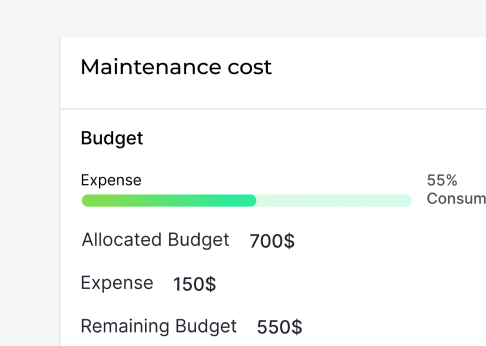
Infrastructure asset management can help organizations reduce maintenance costs and prevent unplanned outages or fixes by maximizing asset performance and extending asset lifespan.
Increased Safety
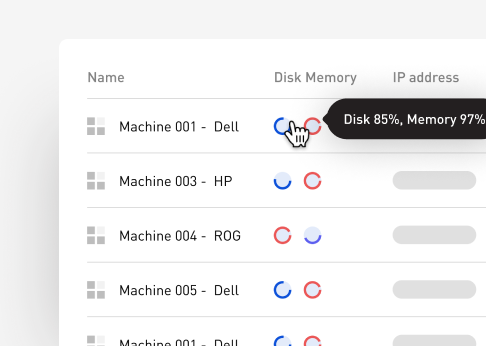
Well-maintained Infrastructure assets are safer for the public and employees, lowering the chance of accidents or injuries.
Improved Regulatory Compliance
Infrastructure asset management can help organizations meet regulatory standards by providing the tools and data required to monitor and report on asset performance.
Enhanced Decision-Making
Infrastructure asset management provides businesses with data-driven insights to help them make more informed decisions about when to fix, replace, or upgrade their assets.
Key Capabilities of Infrastructure
Asset Management

Risk Management
Infrastructure asset managers must identify and minimize risks that could impair asset performance, such as natural disasters, environmental hazards, and aging infrastructure.

Asset Lifecycle Planning
Asset management requires a long-term strategy for the management and upkeep of each asset, taking into consideration its anticipated lifespan, maintenance needs, and possibly future upgrades or replacements.

Asset Inventory and Condition Assessment
Infrastructure asset management necessitates an accurate and thorough inventory of all assets and ongoing condition assessments to spot any upkeep or repair requirements.

Budgeting and Financing
Asset management necessitates effective budgeting and financing strategies to ensure sufficient funds for upkeep, repair, and replacement activities.

Performance Reporting
Asset management requires continuous tracking and reporting of asset performance, upkeep activities, and expenses to ensure accountability and support ongoing improvements.

Data Management and Analysis
Infrastructure asset management requires effective data management and analysis to support decision-making regarding asset performance, maintenance requirements, and investment priorities.
Benefits of Infrastructure
Asset Management
Software : Infraon
Start Your Free Trial
Improves Asset Management
Infraon's infrastructure asset management software can help organizations in tracking and managing physical assets such as buildings, roads, bridges, and utilities. This includes asset management, repair scheduling, and real-time asset performance monitoring

Boosts Efficiency
Infraon's asset management software can help organizations simplify their processes and reduce inefficiencies by offering a centralized system for asset management. This can save reduce expenses and boost productivity.

Improves Decision-Making
With real-time data on asset performance and maintenance costs, companies can make more informed decisions about when to fix or replace and how to distribute resources for maintenance and upgrades.

Enhances Safety
Infraon's infrastructure asset management software can help companies to identify possible safety hazards and take preemptive measures to resolve them. This can include inspecting infrastructure assets for indications of wear and tear and arranging preventative repairs to reduce the likelihood of accidents or failures.

Improves Collaboration
Infraon's infrastructure asset management software can enable collaboration between various asset management teams and departments, such as repair, operations, and finance. This helps ensure everyone is working towards the same objectives and that resources are used efficiently
How about a free trial with NO credit card required?
Related Content
Success Stories

ASK FRAS-LE FRICTION PVT. LTD.
Infraon Optimized Operations with 75% Improvement in Productivity & Compliance