


Problem Management Software
Manage problem lifecycles with Gen AI-based root cause analysis
- 14-day free trial
- No Credit card Required
- Full Platform Access
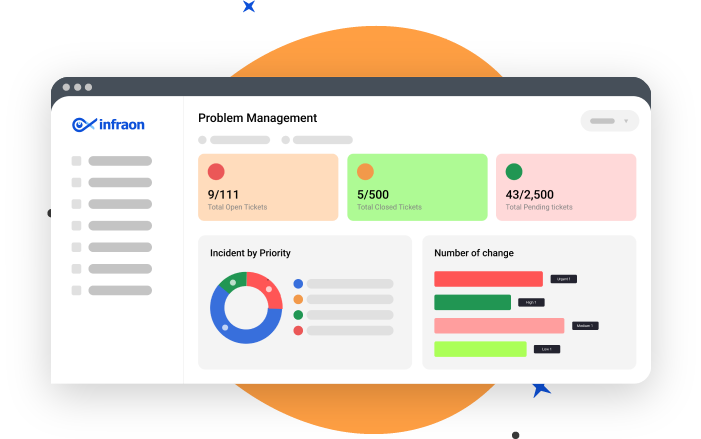
Problem Management Tool for Incident Prevention
Infraon ITSM’s problem management feature comes with Gen AI power to manage the full lifecycle of problems. Detect and get appropriate solutions to maintain digital workspace efficiency– 24X7. Use Gen AI-powered automated workflows to seamlessly prevent the recurrence of incidents and minimize the impact of service issues.
Key Benefits of Problem Management Software
Problem Identification & Analysis
Infraon ITSM helps identify problems by detecting duplicate/recurring issues through AI-based trend analysis. Analyze data from internal/external sources, perform problem analysis, and document workarounds. Infraon ITSM also comes with the Infraon Workspace module to collaborate, assess, and unearth contributory causes.
Error Control with Problem Management Tool
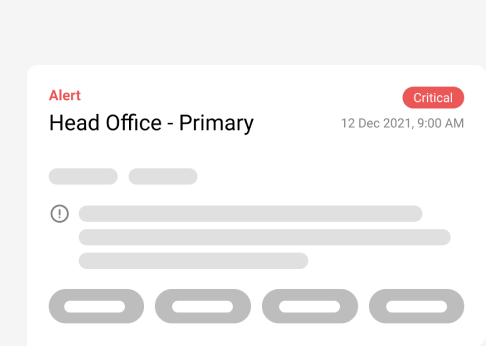
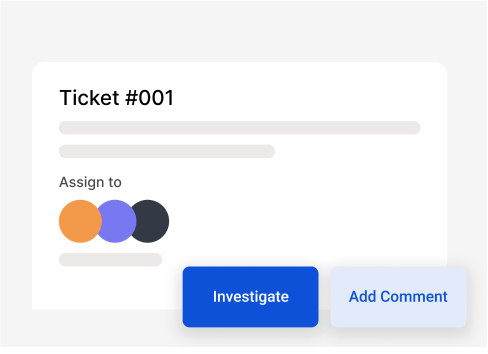
Infraon ITSM helps manage known errors and enables potential permanent solutions (from cost and risk POVs). Take into account the level of service delivery impact with regular error assessment so that your workspace remains as problem-free as possible.
AI Dashboard in Problem Management Software
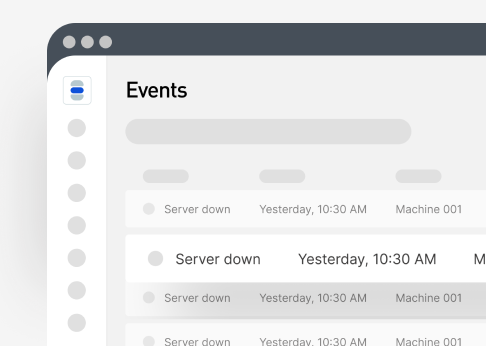
Infraon ITSM provides full visibility of your workspace’s problem management process with a Gen AI-based dashboard. Effortlessly track the resolution of existing problems in real time and make it a breeze for multiple teams to collaborate - saving a ton of time and effort.
Other Features of Problem Management Software
Mobile Accessibility
Reporting & Analytics
Ticket Management
Custom Alerts
Custom Workflows
Custom Roles
How about a free trial with NO credit card required?
Discover Additional ITSM Features by Infraon


Frequently Asked Questions
What is Problem Management Software?
Problem management involves responding to recurring IT incidents to make sure that they are resolved and don’t return. It involves quick detection of an issue and providing a viable solution. If a solution is not available, provide a suitable workaround that will reduce the impact on the business and stop the problem from recurring.
What is the problem management lifecycle?
The problem management lifecycle includes the following steps:
- Detection - Identifying the problem comes first, which means the underlying cause of a recurring incident.
- Logging - Logging the problem provides historical data with pertinent details, such as the date, time, user information, and a description of the problem.
- Diagnosis - Investigation of the problem by first sifting through the known error database or discovering the new cause of the problem.
- Workaround - Temporary fixes with a workaround can help in a pinch. But it is a temporary solution, although it helps reduce downtime and disruption.
- Known error record - It is a vital stage in the lifecycle as it makes resolutions faster and easier.
- Resolution - Once the problem has been resolved, it needs to be implemented through a change procedure to ensure the solution is working.
- Closure - The service desk ensures that all the details are accurate and available for future reference before updating the system by closing the problem.
Why does an enterprise need problem management software?
Enterprises need problem management software because they help in reducing downtime and disruptions. They also enhance service availability, increase productivity, and reduce costs. Above all, problem management software helps improve user experience and customer satisfaction.
What are the benefits of problem management solutions?
Some key benefits of problem management processes include:
- Preventing service disruptions
- Maintaining service quality
- Meeting SLA requirements
- Increasing productivity
- Enhanced customer satisfaction
What is the main purpose of problem management software?
Problem management software identifies and eliminates the root causes of recurring incidents to prevent future service disruptions. It reduces downtime, improves service quality, and minimizes the total cost of IT operations by addressing issues at their source rather than just treating symptoms.
What are the three phases of problem management?
The three phases are: Problem Identification (detecting and logging problems from incident patterns), Problem Control (investigating root causes and developing workarounds), and Error Control (implementing permanent fixes and monitoring for recurrence prevention).